The best scuba dive sites in El Nido sit inside Bacuit Bay, where sloping reefs, rock formations and a shallow tunnel are a short boat ride from the beach. Most suit certified divers of any level, and a few reward more experience. Here is where to go, what each site offers and how to plan around it.
How Diving Works Around El Nido
Diving in El Nido means short boat rides to reefs wrapped around limestone islands. According to El Nido Paradise, the Bacuit Bay dive sites are about 15 to 60 minutes by boat from El Nido beach.
Conditions change with wind, swell and tide. Sites on the sheltered side of an island can be calm while the exposed side is rough. This is why flexible planning matters more here than in places with one fixed dive route.
If you are staying in town, a dive center close to your bed removes a lot of friction. At Submariner Diving Center, the dive boats and equipment sit in the same building as The Beach House, our beachfront accommodation, so there is no early-morning transport across El Nido before a dive day.
Best Scuba Dive Sites in El Nido at a Glance
The sites below are the ones most often listed for Bacuit Bay, with depth ranges and suitability from the El Nido Paradise site guide. Treat the numbers as a guide, since visibility, current and marine life shift from day to day.
| Dive site | Type | Listed depth | Suitable for |
|---|---|---|---|
| Cauayan Rock | Sloping reef | 10–24 m | All levels |
| Dilumacad Tunnel | Tunnel | 10–15 m | Advanced Open Water |
| South Entalula | Flat reef | 4–21 m | All levels |
| West Matinloc | Rock and shallow caves | 8–21 m | All levels |
| Miniloc Front | Sloping reef | 2–30 m | All levels |
| Twin Rocks | Sloping reef | 5–40 m | All levels |
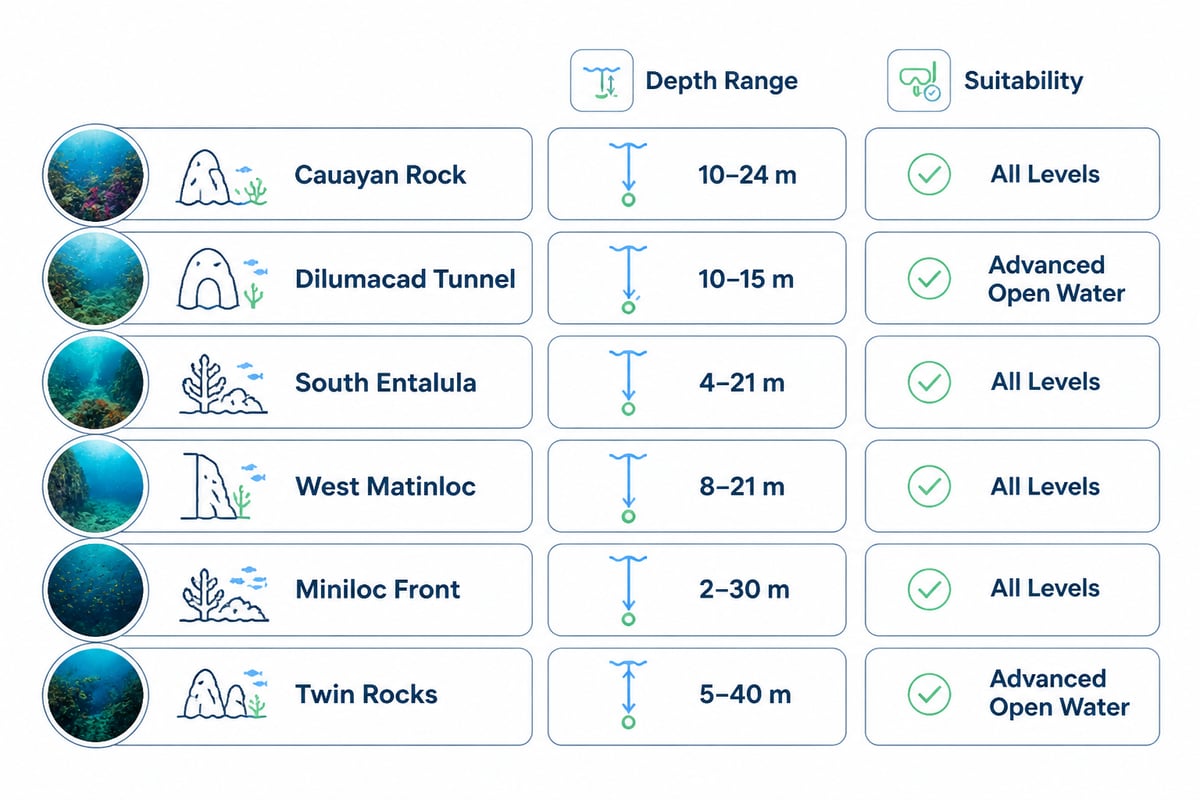
Reading across the depth column tells you how each site behaves. Miniloc Front starts at just 2 meters and drops to 30, so it can serve as a shallow, long-bottom-time dive or a deeper profile on the same day. South Entalula tops out at 21 meters with a 4 meter shallow end, which suits dives where you want to linger. Twin Rocks reaches 40 meters, but listing a depth is not an invitation to go there, so keep to the limit of your own certification.
Dilumacad Tunnel has the narrowest depth band at 10 to 15 meters, yet it is the only site recommended for Advanced Open Water divers. Depth alone does not set the difficulty, and the tunnel setting is what asks for more training.
Most sites are listed for all levels, so choose by what you want to see. Pick a slope for drifting and options, a flat reef for slow looking, and rock or cave sites for shapes and light.
Easy Scuba Dive Sites for Newer Certified Divers
Several of El Nido's reefs are listed as suitable for all levels, including newly certified divers. These are the ones to look at first.
Cauayan Rock
Cauayan Rock is a sloping reef with a listed depth range of 10 to 24 meters and is described as suitable for all levels, per El Nido Paradise. A slope lets you move shallower or deeper to match your comfort and air.
South Entalula
South Entalula is a flat reef at 4 to 21 meters, also listed for all levels. A flat reef with a shallow top is good for relaxed buoyancy practice and long, slow dives with plenty of time to look closely at small things.
Miniloc Front
Miniloc Front is a sloping reef running from 2 to 30 meters, listed for all levels. That wide depth range gives you options: stay shallow for a long, easy dive or work down the slope if you have the experience.
Sites With More Character: Caves, Rocks and Tunnels
Some El Nido sites reward divers who want more than a reef slope, and a couple ask for extra training.
- West Matinloc is a rock and shallow-cave site at 8 to 21 meters, listed for all levels. Shallow caves bring interesting light and shapes without the commitment of deeper overhead environments.
- Dilumacad Tunnel is listed at 10 to 15 meters and recommended for Advanced Open Water divers. If you are open-water only, an Advanced course is worth considering before a trip like this.
- Twin Rocks is a sloping reef at 5 to 40 meters, listed for all levels. The 40 meter limit is the maximum depth, and divers should stay within the limits of their certification.
For wider context on the region, our guide to the top 5 dive sites in Palawan covers other highlights across the province.
How We Pick the Site for the Day
A good dive guide chooses sites based on conditions and the divers' experience, not a fixed script. Submariner Diving Center runs flexible private VIP charters where dive sites are chosen daily to suit weather and sea conditions, and sites are selected by experience level, interests and daily conditions.
In practice, that means you tell your guide what you want (an easy reef, a swim-through, something photogenic) and the plan adapts to wind and current that morning. It is a different approach from booking a fixed route weeks ahead.
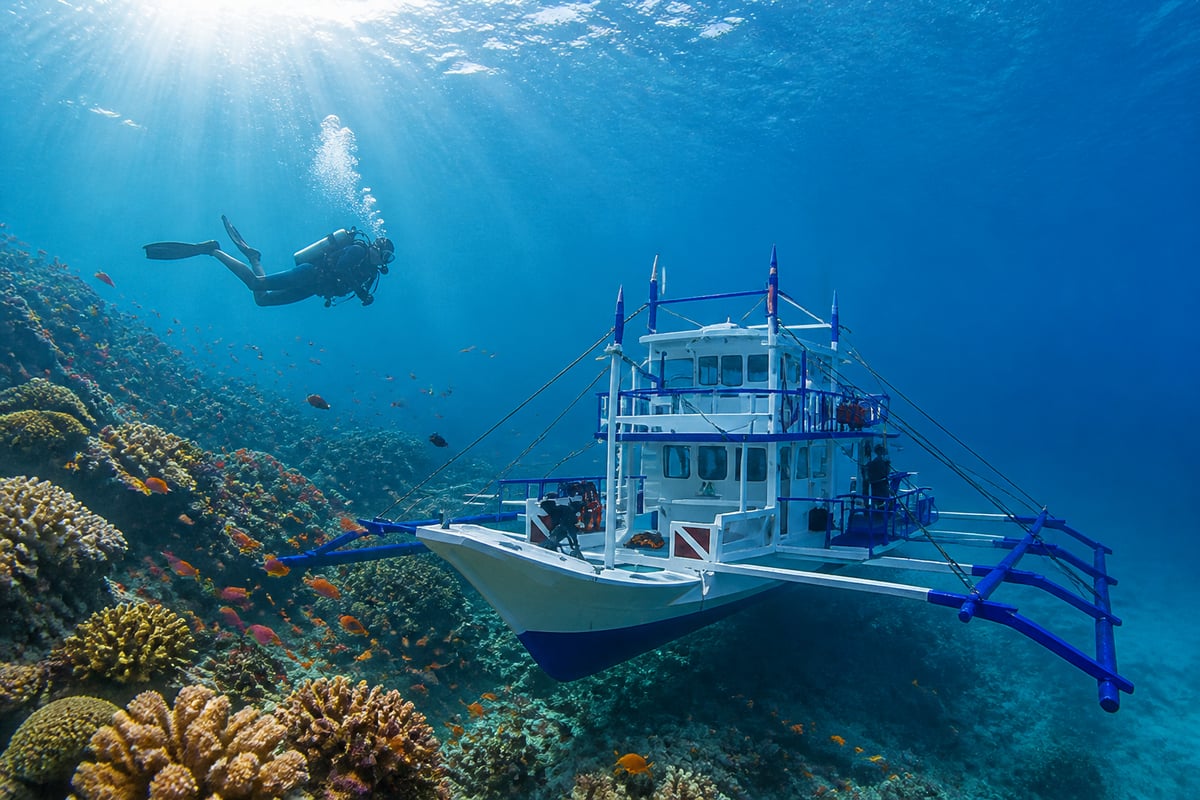
Certified divers can book Fun Diving for daily boat dives to El Nido's reefs, walls and marine life, led by professional PADI instructors with local knowledge and modern safety equipment. The team has over 15 years of diving experience in El Nido, according to Submariner Diving Center.
Which Level of Diver Suits Which Site?
Match the site to your certification and recent dive log, not just your enthusiasm. Here is a simple way to think about it:
- Newly certified or rusty: start with a sloping or flat reef such as Cauayan Rock, South Entalula or Miniloc Front, and consider a refresher first if it has been a while.
- Comfortable Open Water diver: add West Matinloc and Twin Rocks, staying within the depth limits of your certification.
- Advanced Open Water or higher: include Dilumacad Tunnel and deeper profiles where the conditions allow.
If you are not certified yet, a first-timer experience is a separate path. Our PADI Discover Scuba Diving guide explains how that works, and our beginner-friendly dive spots article lists good places to start.
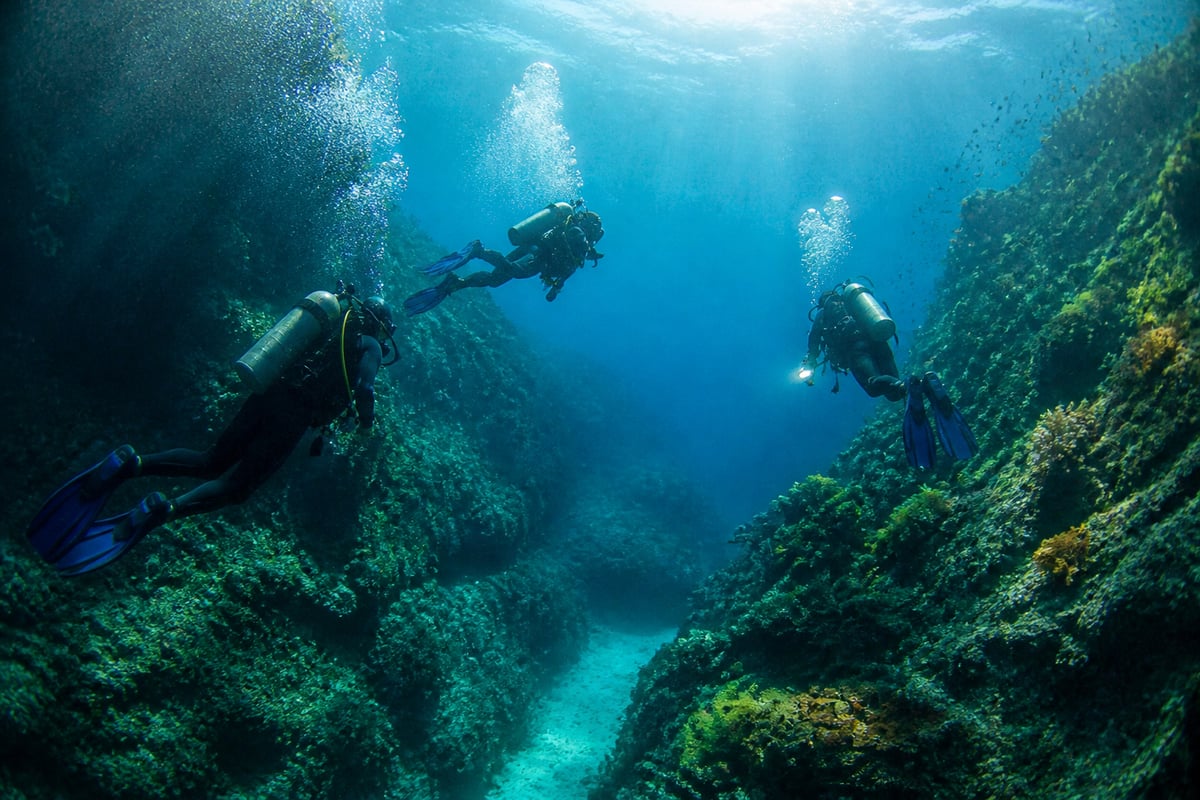
A few details help you place yourself honestly. If your last dive was more than a year ago, treat yourself as rusty regardless of your card, and ask about a refresher before your first boat day. Slopes like Cauayan Rock and Miniloc Front let you stay shallower than the maximum and still enjoy the dive, so they absorb small mistakes well.
For an Open Water diver, certification depth limits matter more than the listed range of a site. Twin Rocks is listed to 40 meters, but you can have a full, rewarding dive well above your limit, and your guide can plan the profile to suit. West Matinloc, at 8 to 21 meters, fits comfortably within a typical open water profile.
If you hold Open Water only and the tunnel appeals, consider the Advanced course first, then plan Dilumacad later in your trip. Tell your guide your last dive date and highest certification at booking so the plan fits you.
What You Might See Underwater
Bacuit Bay offers reefs, walls and rock formations rather than a single headline attraction. You can expect reef life like fish and corals, but marine-life sightings can never be guaranteed, since they depend on season, tide and luck.
Go in with curiosity instead of a checklist. Slow dives over shallow reef often turn up the small stuff, from nudibranchs to shrimp, that fast divers swim right past.
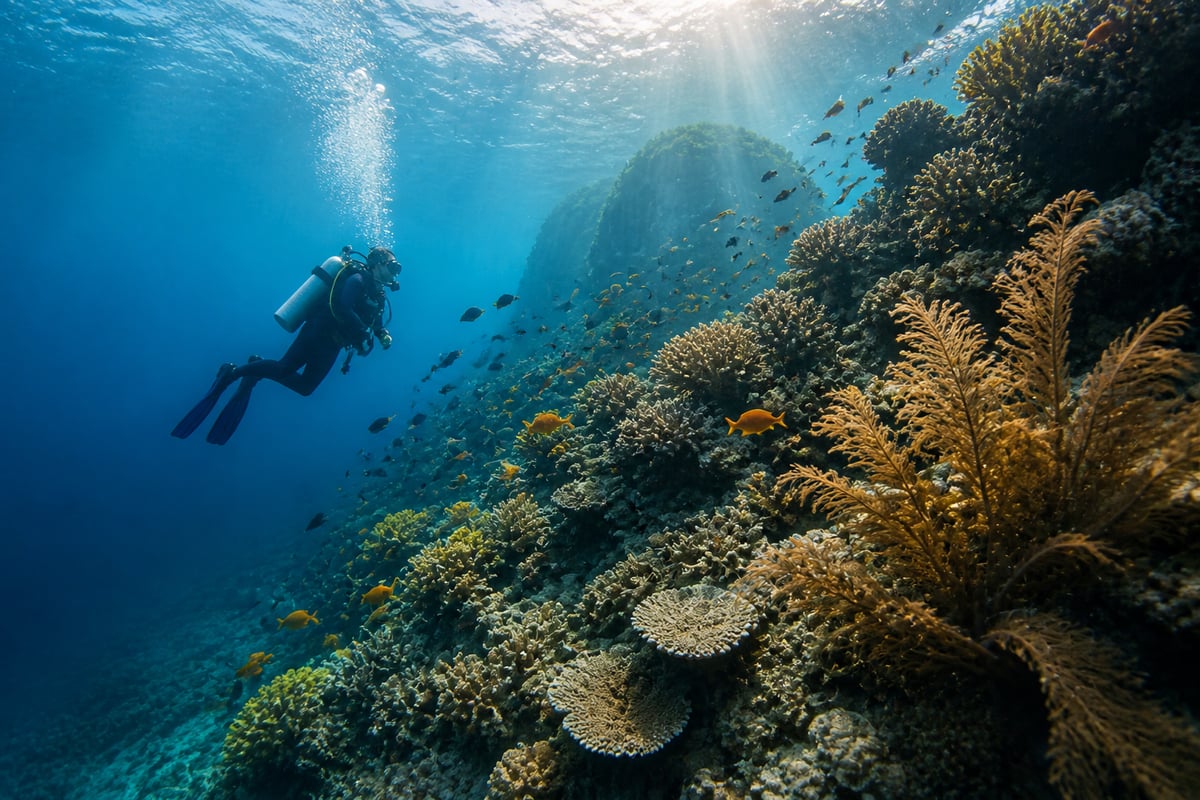
The habitat changes from site to site, and that shapes what you tend to notice. A sloping reef such as Cauayan Rock or Miniloc Front gives you a gradient to work through, with different light and different growth at each depth band. A flat reef like South Entalula keeps you in one comfortable zone, which suits looking closely at a single patch of coral for several minutes. At rock and shallow-cave sites such as West Matinloc, the story is as much about light and shapes as about animals, so bring a torch if your guide suggests one.
A few habits improve what you see. Stay neutrally buoyant and hover instead of finning, since sand and silt kicked up near the bottom ruin visibility for everyone behind you. Ask your guide to point out small residents before the dive, and keep a respectful distance from anything you find.
Planning a Dive Trip Around El Nido
Planning goes more smoothly when you decide your priorities first: how many dives, which level of challenge and how much flexibility you want. A few practical points help.
- Allow buffer days. Weather can shift boat plans, so avoid scheduling dives on your last day before a flight.
- Match dives to your level. Be honest about your last dive date and certification.
- Mind no-fly time. Leave a sensible gap between your last dive and flying home, following your training agency's guidance.
- Stay close to the boat. Sleeping beachfront cuts the logistics.
At The Beach House, you can dive from your doorstep, and the Cloud 9 rooftop restaurant and bar is a pleasant place to talk through the day's dives over dinner. For more on stay options, see our overview of dive resorts.
Beyond El Nido: Tubbataha and Coron
Experienced divers building a dedicated Palawan trip often look at more than one area. Tubbataha is a separate, remote destination that attracts seasoned divers, and Coron is known for its wrecks. Our guide to why Palawan is the Philippines’ number one dive destination puts these areas in context, and our piece on scuba diving in Coron covers the wreck side.
El Nido fits well as a base or a warm-up. Its sloping reefs and sheltered options are a gentle way to settle into the water before more demanding dives elsewhere.
Each area asks for something different from you. Wreck diving in Coron usually calls for good buoyancy control and comfort in confined, silty spaces, and many divers take an Advanced Open Water or a wreck-focused course beforehand. Tubbataha is remote, so planning there centers on logistics and your own experience level rather than a quick add-on day.
That is where a few days in Bacuit Bay pay off. Shallow, forgiving sites like South Entalula and Miniloc Front let you check your weighting, rebuild your air consumption habits and shake off any rust after a long break from diving. If your itinerary also includes the Dilumacad Tunnel at 10 to 15 meters, it makes a useful rehearsal for the kind of controlled, close-quarters diving that wrecks demand.
FAQ
Which country is good for scuba diving?
The Philippines is a strong choice, with Palawan standing out for its variety of reefs, walls and rock formations. El Nido's Bacuit Bay alone offers a range of sites suitable for different certification levels.
What is the 120 rule in scuba diving?
The 120 rule is a rule of thumb used in some diving contexts where the sum of your depth and bottom time is kept within a set number. It is not a substitute for dive tables or a dive computer, so follow your training agency's guidance and your guide's briefing.
Where is the best place to buy scuba gear?
A dive shop or a reputable dive center where staff can check sizing and fit is a good starting point. If you are only visiting El Nido, renting equipment locally is often simpler than traveling with a full kit.
Your next step is to pick the kind of day you want underwater, whether that is an easy sloping reef or a shallow-cave site, and check your logbook against the depth ranges above. Submariner Diving Center can match sites to your level and the day's conditions, and certified divers can look at Fun Diving to see what is on offer. When you are ready, Book Your Diving with our team and we will help plan your El Nido dive days.