Palawan scuba diving ranges from easy reef dives around El Nido's limestone islands to the remote, seasonal walls of Tubbataha Reefs Natural Park, and the best choice depends on your certification level and how much time you have. Many holidaymakers staying in El Nido can try diving soon after arriving, even with no experience, while certified divers can combine El Nido days with a liveaboard trip to Tubbataha.
This guide covers where to dive, when to go, what courses and trips involve, and how to plan a day on the water that suits your group.
Where Is the Best Scuba Diving in Palawan?
The best scuba diving in Palawan depends on what you want: El Nido and the Bacuit Archipelago suit most visitors, Coron is known for wrecks, and Tubbataha is the destination for experienced divers chasing big-water diving.
Here is how the main areas compare:
| Area | Known for | Best suited to |
|---|---|---|
| El Nido (Bacuit Bay) | Reefs, walls, tunnels and swim-throughs around limestone islands | Beginners through advanced divers |
| Coron | Wreck diving | Certified divers interested in wrecks |
| Tubbataha Reefs | Remote reef walls reached by liveaboard | Experienced certified divers |
If your base is El Nido, you do not need to leave the area to get a full dive holiday. The archipelago has enough variety that a week of diving does not need to repeat itself. Our guide to scuba diving in El Nido goes deeper on the local options.
What Diving in El Nido Is Actually Like
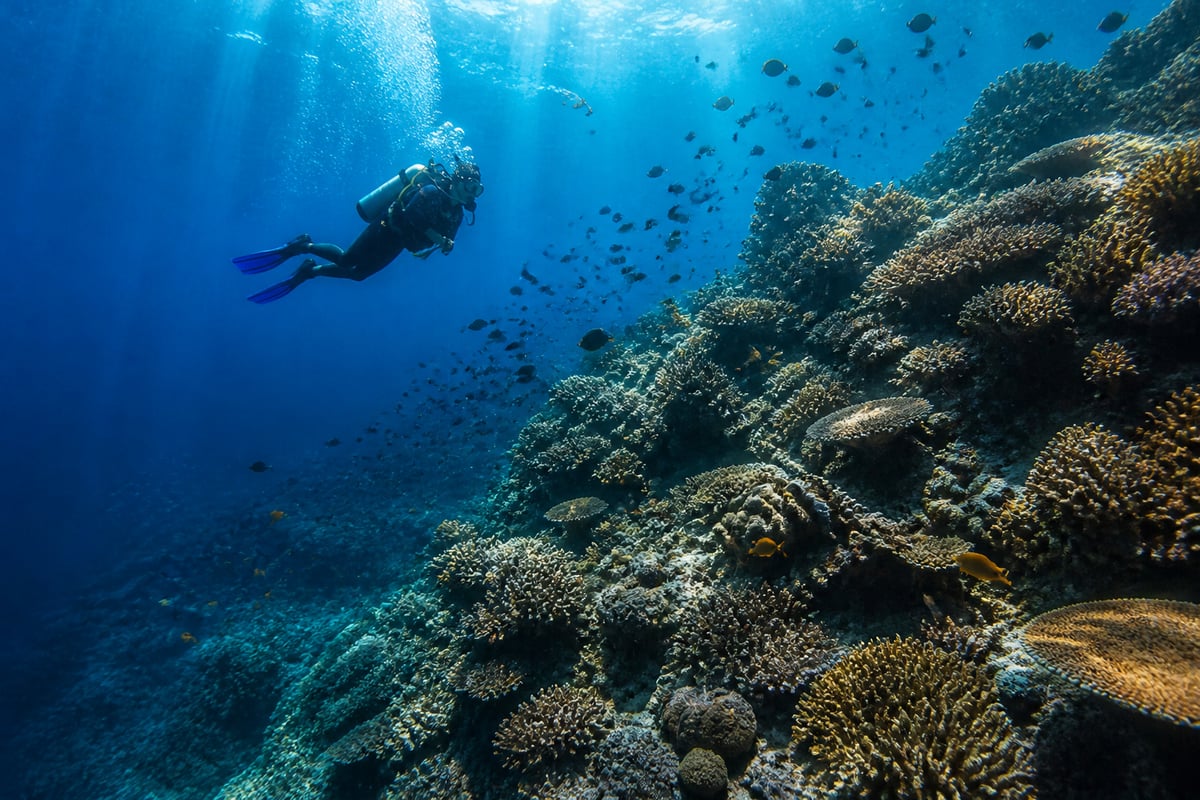
Diving in El Nido means descending around steep limestone islands, with coral gardens in the shallows and deeper walls and rock formations a short boat ride from town.
The geography does most of the work. Karst islands drop straight into the sea, which creates varied terrain: sloping reefs for newer divers, drop-offs and swim-throughs for those with more experience. Visibility and conditions change with the weather, the tide and the time of year, so no site is identical from one week to the next.
That variability is why flexible planning matters. A reputable operator chooses sites on the day based on sea state, current and the experience level of the people on board. At Submariner Diving Center, private VIP charters work this way: sites are selected daily to suit weather, sea conditions, your interests and your certification, rather than following a fixed itinerary.
I would not promise any particular animal on any particular dive. Turtles, reef fish and invertebrates are common on healthy reefs, but sightings are never guaranteed, and a good guide will say so honestly. For a closer look at what to expect underwater, see our overview of the best scuba diving sites in the area.
What Is the Best Time of Year for Palawan Scuba Diving?
The best time for Palawan scuba diving is generally the drier months, roughly from late fall through spring, when seas around El Nido tend to be calmer, though conditions vary year to year and week to week.
A few practical points on timing:
- El Nido: Calmer seas in the dry season usually mean easier boat trips and more consistent conditions, but diving is possible outside it. Operators adjust sites to the weather.
- Tubbataha: The park has a short season. A Nomad Reef Palawan guide describes the usual visiting window as roughly March to June, and reports that the 2024 season ran from the first boat entry on 20 February to the last departure on 29 July. Check the current year's dates before booking, because they can shift.
- Shoulder periods: Fewer crowds and sometimes lower prices, with a higher chance of weather changes.
If your dates are fixed, do not cancel a trip because of the season alone. Talk to a local operator about what conditions look like in the weeks you plan to visit.
Tubbataha Reef: Is It Worth the Trip?
Tubbataha is worth it for experienced divers who are comfortable with deeper, current-affected diving and who can commit several days to a liveaboard.
The park sits far offshore in the Sulu Sea and is reached by permitted liveaboards from Puerto Princesa, not from El Nido. The same Nomad Reef guide reports a visitor conservation fee of ₱5,000, so build that into your budget on top of the boat price. Because the season is short and boats fill up, booking well in advance is the norm.
It is not a good fit if you are newly certified or want a relaxed holiday with a few easy dives. Many divers use El Nido to build logged dives and confidence first, then plan Tubbataha for a later trip. Our dedicated guide to Tubbataha Reef scuba diving covers the logistics in more detail.
What Does Palawan Scuba Diving Cost?
Costs vary by operator, season, group size and whether you choose a shared boat or a private charter, so check current rates directly instead of relying on a number from an article.
Factors that move the price:
- Shared boat versus private charter
- Number of dives per day
- Equipment rental versus your own gear
- Course type, from a one-day introduction to full certification
- Park or environmental fees, which are separate from the operator's fee
- Accommodation and transfers if you are traveling to a dive site
For Submariner Diving Center, I will not quote figures here. Prices and what is included are best confirmed on the booking hub or by contacting the team. One practical saving: staying where the dive center is located cuts transport time and cost, which brings us to logistics.
Learn to Dive: Courses for Holidaymakers
If you are staying in El Nido and have never dived, you have two sensible starting points: a one-day introductory experience, or a full Open Water certification that lets you dive worldwide.
Discover Scuba
A PADI Discover Scuba Diving session lets you try breathing underwater with an instructor, with no certification required. It suits people who want a taste before committing, or who only have a day to spare.
Open Water Diver
The Open Water Diver course is the entry-level certification and the one most holidaymakers choose when they know they want to keep diving. Submariner Diving Center runs it with professional PADI instructors and small class sizes.
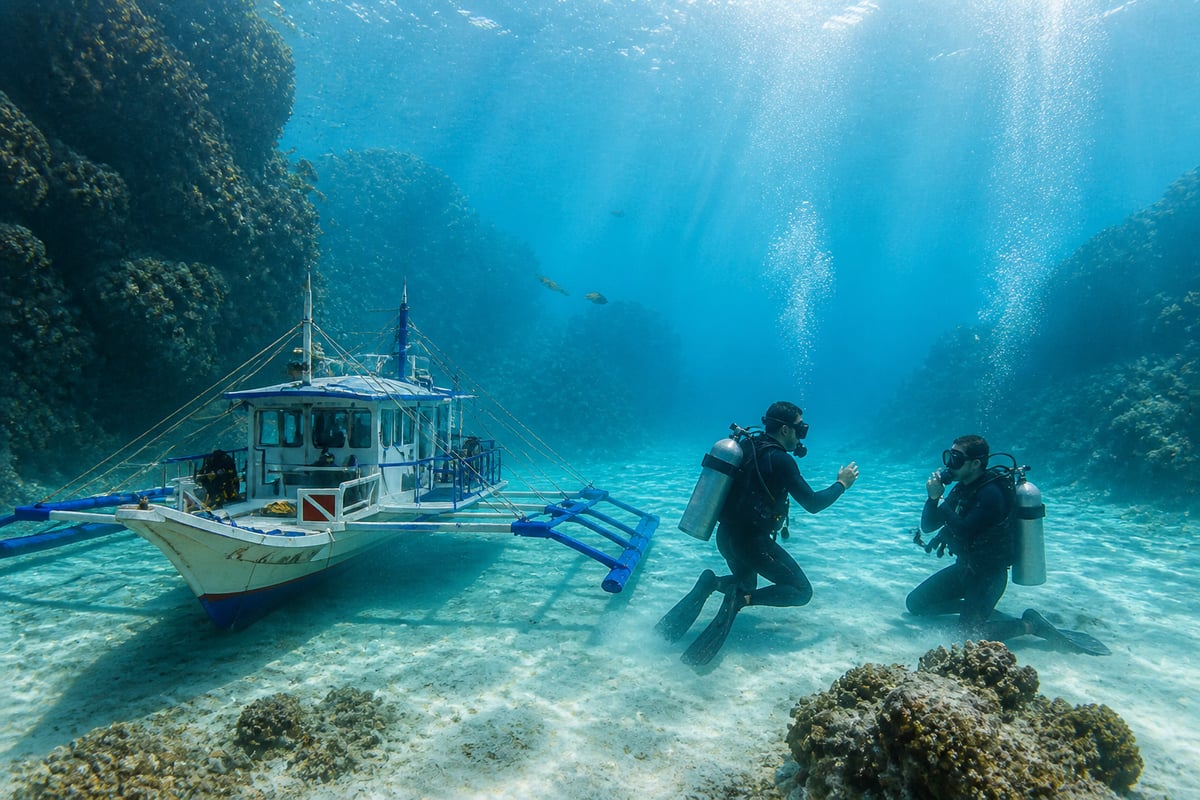
You can learn more or book the Open Water Diver Course through the booking hub. Because courses need time for theory, pool or confined-water skills and open-water dives, plan them early in your trip so you are not rushing the final dives.
For Already-Certified Divers
If you hold a certification, your options are guided fun dives or a private charter. Bring your card and a rough log of recent dives. If you have not dived in a while, mention it; a quick refresher before a first dive is a normal and sensible request, not an embarrassment.
What Does the 120 Rule for Diving Mean?
The 120 rule is a guideline some divers use to estimate dive planning limits, but it is not a standard set by PADI, and you should follow the limits from your training and your dive guide rather than any rule of thumb.
Recreational divers are trained to stay within limits that depend on certification level, depth, time and the dive computer's readings. Recreational diving limits are set by your training, so ask your instructor about the depth limits that apply to you. If you hear a shorthand rule on a boat, ask your guide how it applies to the specific dive, and always dive within your own training and the plan agreed at the briefing.
Private Charters or Shared Boats?
A private charter gives couples, families and small groups control over the day, while a shared boat is usually the more economical way to dive if you are happy with a fixed group and schedule.
Reasons people choose private:
- Mixed experience: One person is certified, another is trying their first dive, and you want the day to work for both.
- Pace: You decide how long to spend at a site and when to have lunch.
- Conditions: Sites can be chosen around sea state on the morning, which matters in a bay where weather changes things.
- Comfort: A smaller group and a more personal briefing.
Submariner Diving Center offers flexible private VIP charters where sites are chosen daily by experience level, interests and conditions. The trade-off to be aware of: a flexible, conditions-led day means the plan can change. If you need a rigid timetable regardless of the weather, this is not the right style of trip for you.
Where to Stay: Diving From Your Doorstep
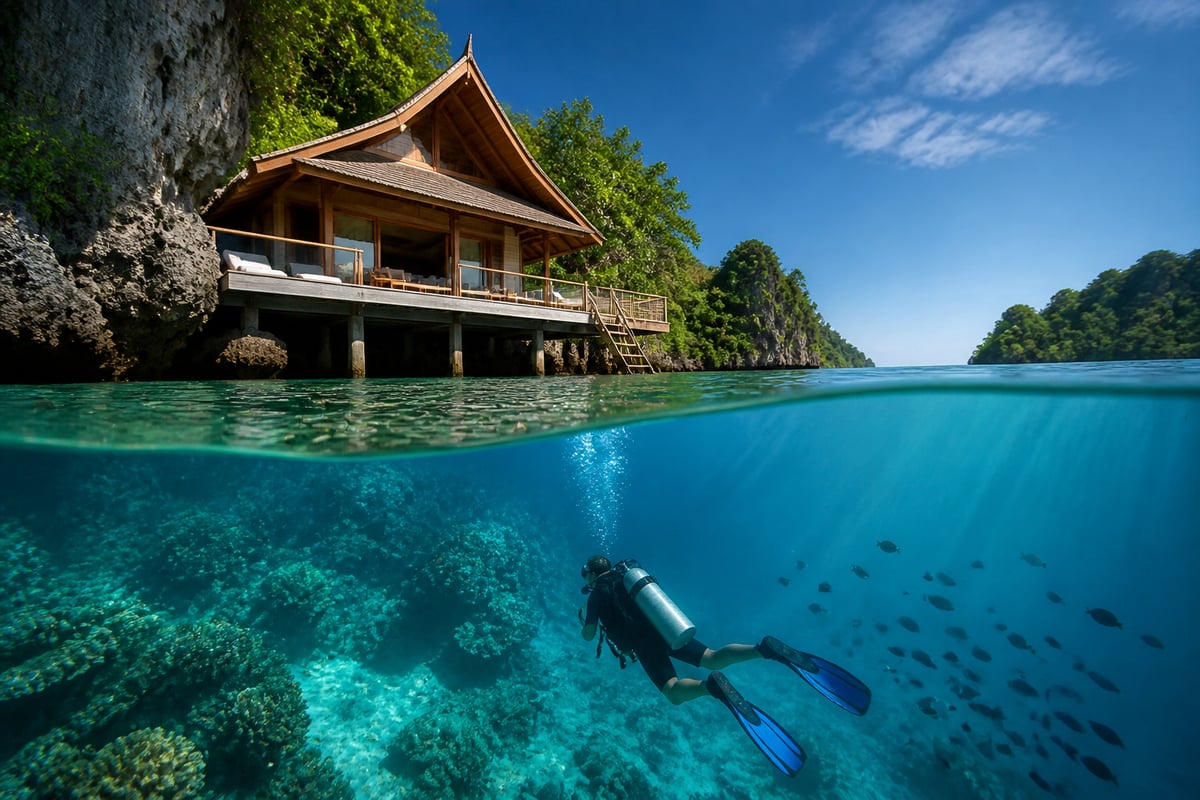
Staying beachfront next to your dive operator removes the morning transfer, which in a busy tourist town can eat into a day.
At The Beach House, the Submariner Diving Center dive shop is in the same building, so boats and equipment are close at hand and there is no early-morning transport across El Nido. After a day on the water, the Cloud 9 rooftop restaurant and bar is part of the same beachfront stay, which is a pleasant place to log dives and plan the next day.
This setup suits holidaymakers who want to add a few dives to a trip without organizing transport, and certified divers who want to fit extra dives around other plans.
What to Pack and Check Before You Dive
A short checklist prevents most first-day problems:
- Certification card and any logbook, if you are already certified.
- Medical questionnaire: be honest. Some conditions need a doctor's sign-off before diving.
- Flying after diving: leave enough surface time before a flight; confirm the recommended interval with your operator.
- Reef-safe sunscreen and a rash guard to cut down on lotion in the water.
- Motion sickness remedy, if boats bother you. Take it before the trip, not after.
- Dive insurance, which many travelers add for peace of mind.
Ask your operator about equipment, safety gear and emergency procedures at the briefing. Good dive centers welcome those questions.
FAQ
Which place is famous for scuba diving?
In Palawan, El Nido and Coron are the best-known areas, and Tubbataha Reefs Natural Park is the remote destination experienced divers travel for. Each suits a different type of trip, from relaxed reef dives to liveaboard expeditions.
Do I need to be certified to dive in El Nido?
No. An introductory session lets you dive with an instructor without certification, and the Open Water Diver course gives you a certification that is recognized worldwide. Certified divers can join guided dives with their card.
Can I combine El Nido diving with Tubbataha?
Yes, but they are separate trips. Tubbataha is reached by permitted liveaboard from Puerto Princesa during its short season, so many divers do El Nido first and plan the liveaboard separately.
If you are staying in El Nido, start by choosing the experience you want: a first try, a certification, or a day of guided dives for already-certified divers. Submariner Diving Center has years of diving experience in El Nido, professional PADI instructors and modern safety equipment, and you can join the Open Water Diver Course or arrange a private charter to suit your group. Talk to the team about your dates and experience level, and Book Your Diving with a plan built around the weather and the water.